How to buy email list data for high-conversion sales prospecting
Boost lead generation with our guide on high-conversion sales. Learn when to buy email list resources for better results.Boost lead generation with our guide on high-conversion sales. Learn when to buy email list resources for better results.
Key Takeaways
Successful high-conversion sales outreach begins with precise data foundation rather than sheer volume. These core principles ensure your prospecting strategy remains efficient and compliant.
- Define your target demographic using specific socioeconomic markers to boost relevance.
- Use on-demand data generation to ensure your list reflects the current market reality.
- Prioritize verified opt-in data sources to protect your long-term sender reputation.
- Scale your outreach volume incrementally to measure engagement before full deployment.
-Integrate multichannel strategies like direct mail to reinforce your primary digital efforts.
Defining your ideal prospect profile
Establishing a crystal-clear audience is the first step toward improving your conversion rates. When you set out to buy email list resources, the clarity of your initial search filters often dictates the quality of the subsequent sales cycle. By focusing on specific characteristics rather than casting a wide net, you ensure that every contact in your queue matches your unique value proposition.
Identifying relevant socioeconomic indicators
Socioeconomic data provides a snapshot of an individual's financial situation, such as estimated household income and net worth. When you evaluate potential leads, look for clusters that align with your product's price point and functional benefits. This targeted approach prevents you from wasting time on prospects who lack the capacity or the need for your specific offerings.
Leveraging household and property data filters
Property data serves as a secondary layer of validation for your audience selection. Knowing whether a prospect is a homeowner, the estimated value of their property, or their length of residence helps you gauge stability and potential spending habits. This context turns raw contact information into an actionable intelligence set for your sales team.
Utilizing smart lists for pre-qualified segments
Sometimes the best way to get started is by using pre-curated segments that save you significant preparation time. Clarity Datasets offers Smart Lists that act as proven presets for common outreach goals, which you can then refine. These categories allow for rapid list deployment without sacrificing accuracy, as you can adjust the filters to fit your niche requirements immediately.
Aligning demographics with your product offering
Consistency between your demographic profile and your product is non-negotiable for high performance. Start by identifying the educational background, family status, and age ranges that define your ideal user. A well-aligned list ensures that your sales communication feels relevant rather than an unsolicited interruption to the recipient's day.
Understanding data quality and acquisition costs

Data quality determines the success or failure of your entire communication infrastructure. When procurement costs are involved, it is vital to discern between flat-rate static archives and high-quality sets produced on demand. High acquisition costs are frequently justified by the absence of redundancy and the frequency of data updates.
Evaluating the cost per record structure
Transparent pricing is essential for managing your campaign budget sustainably. Rather than relying on subscription tiers that lock you into unnecessary volume, look for models that charge based on the exact amount of data you require for your current workflow. The following table illustrates a typical breakdown of value regarding data acquisition efficiency.
| Feature | Static Archives | On-Demand Lists | Advantage |
|---|---|---|---|
| Accuracy Rate | Moderate | High | On-Demand |
| Data Freshness | Low | High | On-Demand |
| Cost Flexibility | Locked | Per Record | Per Record |
Selecting a per-record structure empowers your team to pivot as results come in. You avoid overcommitting resources early in your outreach process while maintaining the ability to test different market segments at a low entry price point.
Factoring in optional data enrichment services
Enrichment services add critical contact points like email addresses and mobile numbers to your base demographic list. This process allows you to reach prospects across multiple touchpoints simultaneously. Just ensure that the enrichment occurs after the base verification process to maintain the integrity of your target audience.
Mitigating extra costs with clean, non-redundant data
Redundancy is the silent budget killer in sales operations. By relying on systems that generate lists on demand, you ensure that every record represents an active, unique entry rather than a duplicate from a stale warehouse file. This keeps your outreach focused on high-probability qualified sales leads without paying for overlapping entries.
Analyzing the value of tiered pricing models
Tiered pricing often appeals to organizations scaling their outreach, but individual producers find the most value in straightforward models. If you examine the 15 best places to source data, you will notice that those providing the most predictable outcomes favor clarity over complex, opaque pricing structures.
Customizing your list for specific professional niches
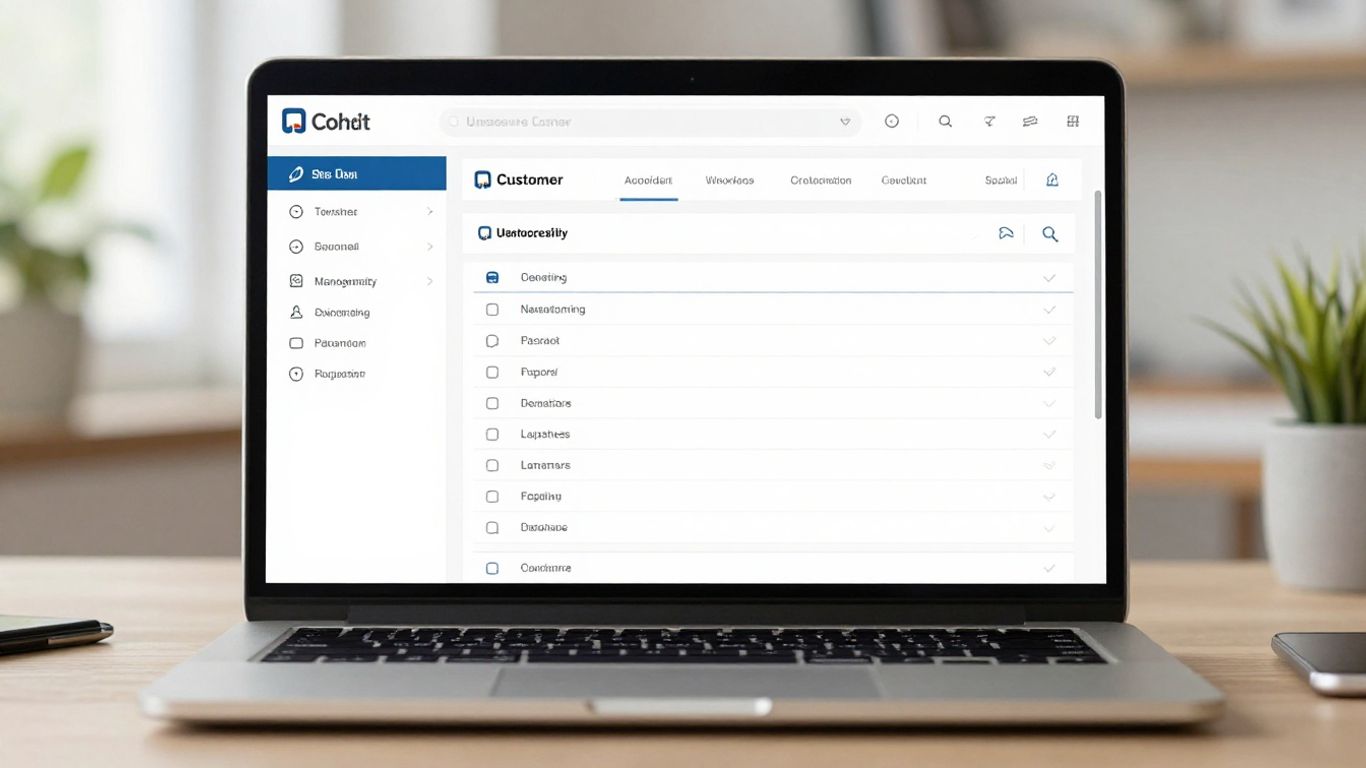
Niche targeting is the hallmark of a mature sales strategy. Whether you are aiming for high-net-worth individuals or specific career practitioners, the detail level of your list dictates your success. By refining your database through specific constraints, you ensure your message resonates with the specific challenges of your target industry.
Filtering by net worth and credit standing
Financial standing is an obvious but frequently mismanaged filter for luxury or high-end service products. By filtering for net worth and credit ranges, you effectively verify that your prospects have the fiscal capacity to engage with your premium offerings. This simple filter significantly speeds up your qualification process.
Targeting criteria based on life stage and family dynamics
Life stages such as having children, nearing retirement, or being a recent mover drastically change consumer intent. When you build your list, consider those life transitions that correlate with a surge in demand for your product. Taking these factors into account allows for more personalized outreach that moves past generic sales scripts.
Optimizing geographic reach by state, county, and city
Geography remains the most reliable anchor for local service sales. Using a tool that allows for granular geographic filtering, you can align your sales force with specific territories. This list shows the common steps for filtering your data by region to ensure operational efficiency.
- Start by selecting your primary operating state to eliminate unnecessary reach.
- Refine by county or zip code to concentrate your local calling efforts.
- Apply distance buffers if you serve a specific radius around a central metropolitan area.
- Cross-reference geographic data with income filters to pinpoint affluent clusters.
These filtered regional lists enable your team to manage their time efficiently, reducing travel or call latency while keeping focus on the most promising regional prospects.
Applying professional and career-based occupation categories
Modern platforms allow you to target specific job titles or industry roles precisely. For those seeking to reach decision-makers, occupation-based segmentation is critical to ensure you aren't contacting junior staff members who lack influence. This nuance, combined with 10 best places to source data, often serves as the final refinement for a high-converting prospect list.
Scaling volume for effective sales distribution
Scaling outreach requires a balance between speed and precision. Whether you are generating 2,500 or 100,000 records, the methodology for handling that volume must remain consistent. Always prioritize maintaining data hygiene as your volume scales up to prevent a decline in engagement metrics.
Determining the right order size between 2,500 and 100,000 records
Your volume choice should mirror your team's capacity for follow-up rather than just your marketing budget. If your sales team processes 500 calls a week, starting with a 2,500 record baseline is a sensible approach to ensure the data remains fresh. Rapid expansion in volume without the corresponding sales infrastructure typically leads to lower quality engagement.
Choosing the appropriate output format for your CRM
Seamless integration is the goal for any data acquisition strategy. Whether your system requires CSV, Excel, or direct API pushes, the output format should be chosen for its compatibility with your current CRM tools. This prevents data errors during the import process and gets your team onto the phones faster.
Managing lead generation delivery cycles
Delivery cycles should allow for testing before full list deployment. By working with suppliers who provide staggered delivery, you can check the response rate of your first 1,000 leads. This provides an opportunity to refine your messaging before exhausting your entire budget on a large, untested segment.
Balancing broad reach with highly segmented focus
Scaling volume is not inherently bad as long as you keep your filters intact. The goal is to grow your reach without degrading the profile of your ideal prospect. As you increase numbers, add secondary filters to ensure the quality of every thousand names matches the standards of your initial, smaller sample.
Best practices for post-purchase outreach
Outreach serves as the testing ground for your data quality. Once you have acquired your list, the manner in which you begin communication determines your retention and bounce rates. Applying consistent email lists compliance standards is vital to maintain your sender status and ensure long-term, high-conversion communication success.
Integrating direct mail strategies with purchased data
Direct mail remains a high-trust channel that builds awareness before your first phone call. By matching your physical mail address data with your email lists, you create a synchronized brand presence. This multi-touch approach makes your eventual calls feel like a follow-up to a known contact rather than a cold intrusion.
Implementing cold calling workflows for specific segments
Cold calling requires a tailored script for each segment identified in your data. High-income prospects expect professional brevity, while other demographics may respond better to consultative, value-focused dialogues. Always adapt your pitch to match the specific filtering criteria you used to build that segment.
Maintaining compliance and professional outreach standards
Compliance is about more than just checking boxes; it is the fundamental baseline for modern sales professional conduct. Adhere strictly to industry regulations regarding contact hours, opt-out mechanisms, and professional identify disclosures. A reliable outreach strategy is a compliant one, protecting your brand from negative association.
Tracking engagement metrics against target demographics
Measurement is the only way to prove value for your data investment. Track open rates, bounce rates, and conversion metrics specifically for each demographic category you targeted. If certain segments perform better than others, adjust your future list-building filters to prioritize those higher-converting profiles.
Conclusion
Successfully harnessing data requires disciplined targeting and a commitment to maintaining quality throughout the sales process. By focusing on on-demand, filtered records, you position your team to reach prospects who are not only accessible but also genuinely aligned with your solutions. Consistency in execution, paired with a focus on compliance and iterative improvement, transforms your prospect lists into a sustainable asset for long-term pipeline growth.
Frequently Asked Questions
Why is data accuracy important when prospecting?
Accuracy direct impacts your sender reputation and operational efficiency. Inaccurate data leading to bounces wasted time and damages your ability to reach future prospects through standard communication channels.
What are the main benefits of buying data on demand?
Buying data on demand ensures that your list reflects current market conditions rather than stale, outdated snapshots. This reduces redundancy and ensures that the contact information is as recent as possible.
How many records should I start with for my outreach?
Small-scale testing with 2,500 to 5,000 records allows you to evaluate your messaging without risking your entire budget upfront. This provides a baseline for conversion rates before you increase your volume.
Is it legal to purchase consumer data for outreach?
Yes, provided you operate within the boundaries of applicable consumer protection laws and regulations. You must always ensure your outreach practices include clear identification and legitimate opt-out mechanisms for recipients.
How does segmenting by income improve sales?
Segmenting by income filters out individuals who may not have the capacity to engage with your products, allowing your team to focus their energy strictly on high-probability leads.
Should you use multiple channels for contact?
Yes, using multiple channels like email and direct mail can reinforce your message and build familiarity with the prospect. This omnichannel approach often yields higher engagement rates than isolated contact methods.
What is the purpose of data enrichment?
Enrichment services add supplementary contact details to an existing base list, such as phone numbers or alternate email addresses. This fills gaps in your data, providing more opportunities to connect with target prospects.